Posts

Showing posts with the label Next Smile™ Wollongong

What to Consider When Choosing a Tooth Implant or Root Canal

Image
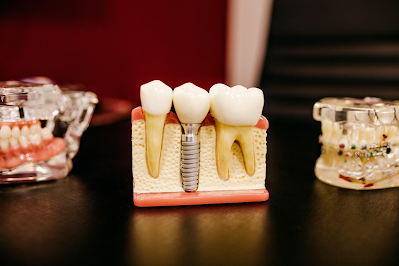
Do you think about tooth implant surgery, or are you just dreading the thought of going through another root canal? If you’re curious about this question, there are several factors you should consider before making your decision. Find out what to consider when choosing between tooth implants and root canals below! Things to Know Before You Decide An implant will replace a single tooth, which can be done in one visit. It’s also suitable for people who are missing several teeth, so they can replace them all at once using All-on-4® dental implants. On the other hand, root canals; you get injections, have a small hole drilled into your tooth, and fill it with dental fillings. Over time, you need to go back for regular check-ups to ensure nothing goes wrong. What to Consider When Choosing a Tooth Implant or Root Canal While both are designed to prevent tooth loss and improve your quality of life, both procedures also have drawbacks. Here are four things to consider when selecting either a ...

When to Know If You Need a Bone Graft

Image
If you have a missing tooth, you might be wondering if you need to undergo a bone graft. A bone graft involves taking donor bone from another area of your mouth or body and placing it in the space left by the missing tooth to stimulate new tooth root growth and eventually create an anchor for a dental implant or bridge. In some cases, missing teeth can cause jawbone loss because of gum recession, especially if your remaining teeth are worn down or overcrowded. Over time, these cells will reattach themselves and create a larger space of solid tooth structure. This process can take weeks or months, depending on how much gum tissue has been lost. When to Know If You Need a Bone Graft Several factors will affect your likelihood of needing a bone graft in dentistry, these include: 1. Compromised Bone or Sinus Conditions This may indicate a greater chance of needing a bone graft, how many teeth are being worked on, and if you have any pre-existing conditions like diabetes. 2. Age Younger pa...

Benefits of Dental Implants for Tooth Loss

Image
Have you recently lost a tooth or have been living with missing teeth for a while? Have you considered getting dental implants? There are a range of benefits that come with dental implants, including: 1. They prevent bone loss When one experiences tooth loss, the jawbone is no longer stimulated due to the lack of roots. Hence bone loss occurs in the jaw. If the tooth is not restored, the bone area loses 25% of its volume in the first year, and bone loss continues over the years. When one gets a dental implant tooth replacement, the implants mimic the tooth root. It means that the implants, through chewing, stimulate the jaw bone, preventing tooth loss. 2. They improve your oral health The gap left by missing teeth act as a trap for food and bacteria and can lead to gum disease. However, there is no longer space for bacteria when it is filled, therefore preventing gum disease. 3. They can prevent facial sagging Facial sagging is a result of bone loss from missing teeth. As a result, the...

What Can I Eat with All-on-4® Implants?

Image
  After the All-on-4® and dental implant procedure, your dentist will give you some post-surgery instructions for quick recovery. Among the instructions is what to eat during this period. The diet restrictions for the All-on-4® procedure is categorised into two; one to two weeks after the surgery and two weeks to three months after the surgery. When you know the right foods to eat, there will be no pain or complications due to chewing or any heavy activities with your teeth. One to Two Weeks After Surgery Diet Your mouth and jaw will be sore after the surgery and implantation; hence chewing food will be painful and difficult. Stick to liquid foods that require no chewing for this week. Immediately after surgery, for the first 48 hours, avoid hot liquids. Ensure that your puree food has nutrition content in them to help your recovery from surgery. You can blend food to liquify them if hunger intensifies. Some foods you can take include milkshakes, yoghurt, pudding, fruit juice, smoo...

Do My Dental Implants Need To Be Professionally Cleaned?

Image
  Dental implants used in the All-on-4® procedure are made from the finest materials and are more than capable of replicating the performance of natural teeth. But just like any other dental functional device, these implants need to be cleaned between uses to prevent staining and prolong their lifetime. Professional cleaning of implants used in the All-on-4® treatment is necessary to keep them healthy and prevent infections. Your dentist will need to thoroughly clean them at least once every few months to keep them working correctly. Benefits of Professional Dental Implants Cleaning 1. Removes To Help Lengthen The Life of Your New Teeth Removing plaque from your dental implants is one of the most effective ways to extend the life of your teeth, but it can be challenging. Therefore, you will need to seek professional help from your dentist. This is because they have the necessary tools and knowledge to effectively remove plaque from your  dental implants to extend their lifetim...